 Artists and bands
Los Jairas
La Paz ensemble associated with Peña Naira; its early line-up combined voice, quena, charango and guitar.


Bolivia · Music Victim
A small room for the quena and charango
A small room for the quena and charango
The story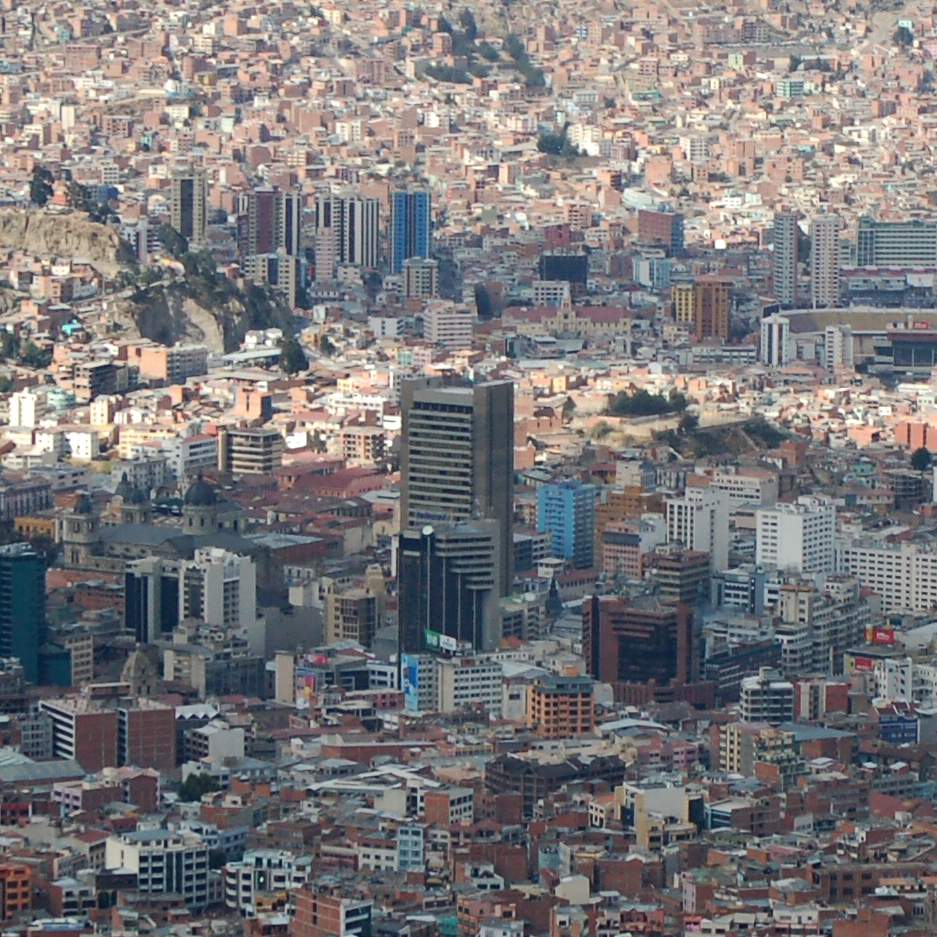
In 1966, the art gallery Naira became a place to hear music as well as see paintings. At Peña Naira in La Paz, a small group brought together Ernesto Cavour on charango, Gilbert Favre on quena, Julio Godoy on guitar and Edgar “Yayo” Joffré as singer. They became known as Los Jairas.
Cavour had grown up in La Paz and bought his first charango in the thanta khato, a second-hand market. At Naira, the instruments met in a small ensemble. The musicians’ repertoire drew on Bolivian traditions but was shaped for an urban stage and audiences in the capital.
In 1969 Los Jairas recorded “Agüita de Phutiña” with Los Choclos, an urban sikus ensemble. A study of the recording describes a sikuri introduction associated with Camacho province and a passage characteristic of the paceña sikuriada. That account names the sounds of particular traditions rather than treating the recording as an anonymous Andean melody.
Cavour later expanded his collection of instruments into the Museo de Instrumentos Musicales de Bolivia on Calle Jaén. The charango he first encountered in a market remained at the centre of his work.
La Paz ensemble associated with Peña Naira; its early line-up combined voice, quena, charango and guitar.
La Paz charanguista and instrument collector who helped establish Los Jairas.
A recording by Los Jairas appears on the collection De Colección.
Historic performance space in central La Paz, associated with Los Jairas from 1966.
 Songs
 Places